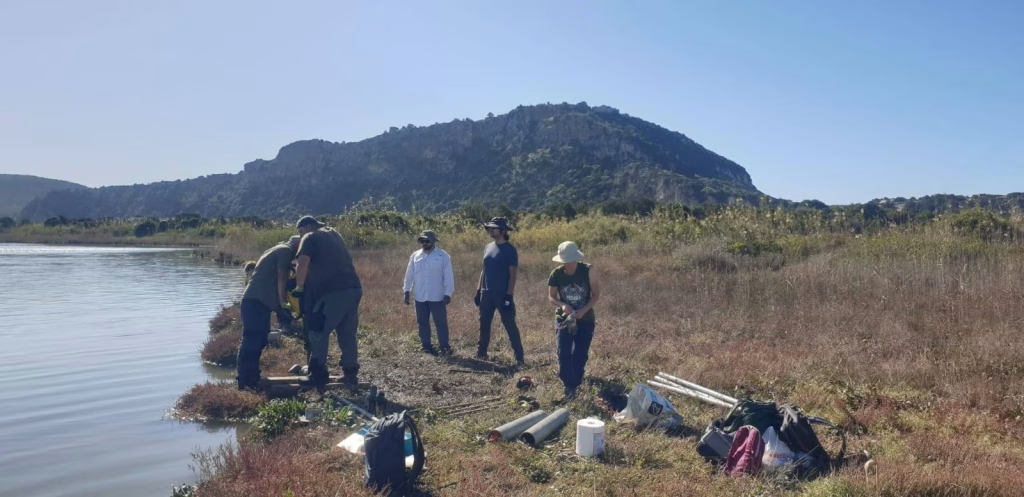
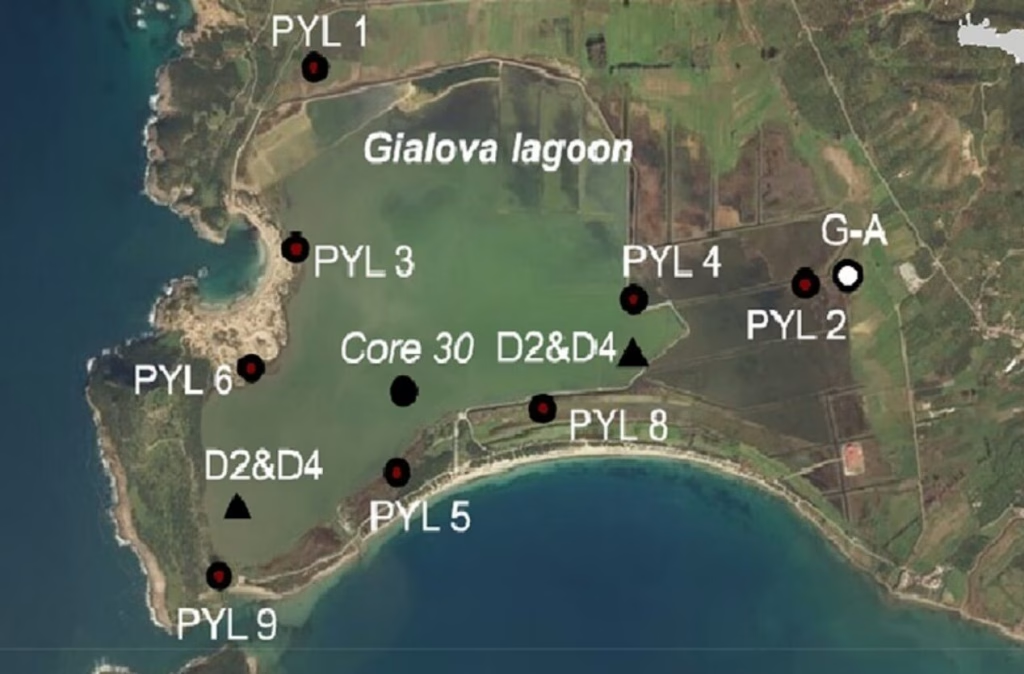
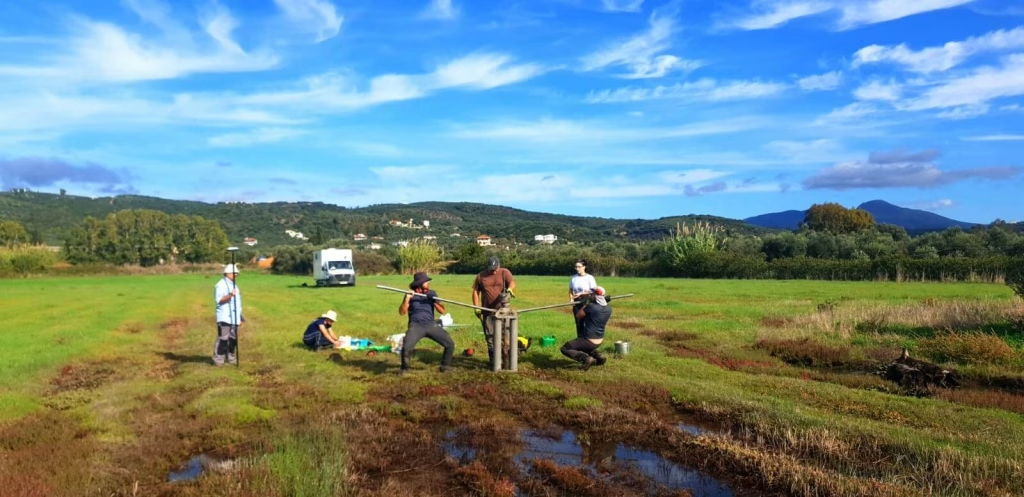
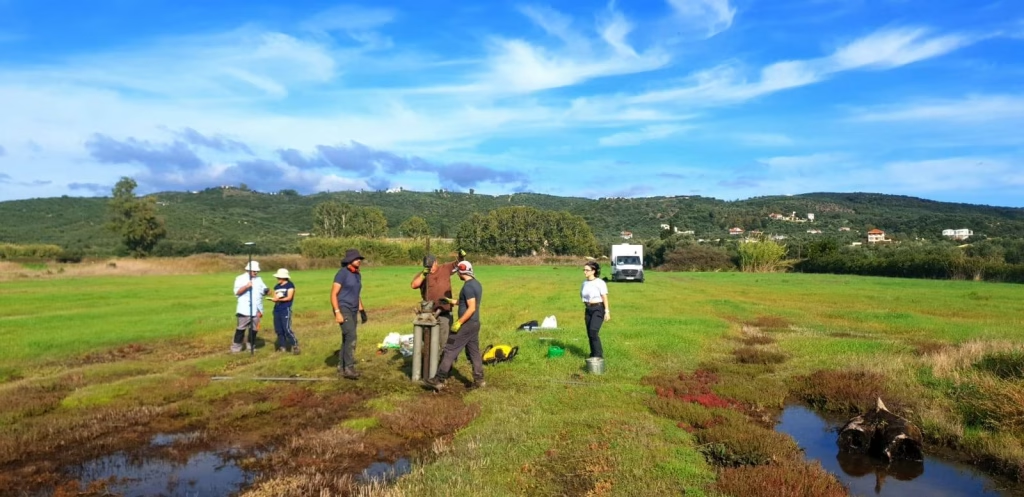
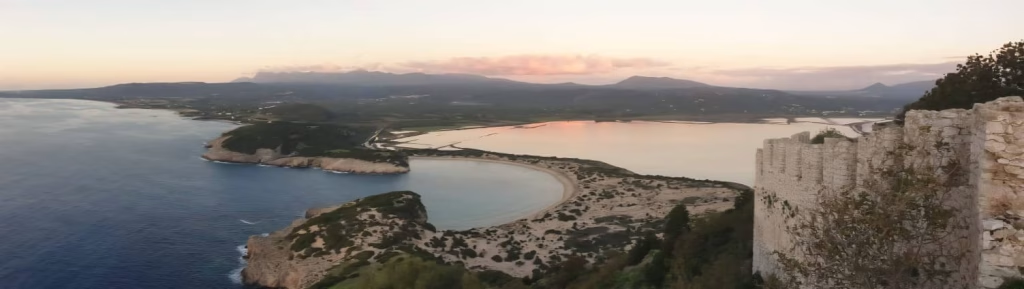
Field activities initiated in the autumn of 2024 in the Gialova–Voidokilia lagoon system (Pylos region, Greece) were resumed in October 2025, marking an important step forward in reconstructing the Holocene evolution of this complex coastal environment. During the campaign, two additional sedimentary cores, each approximately 9 meters long, were collected—one from the Gialova Lagoon and the other from the sandy barrier of Voidokilia.
The recovered sedimentary sequences will undergo an extensive multiproxy analysis, including granulometry, XRF geochemistry, magnetic susceptibility, microfauna and pollen identification, micro- and macro-charcoal analysis, and radiocarbon dating. These integrated investigations aim to refine the reconstruction of coastal system dynamics and to evaluate the influence of extreme tectono-marine events on the long-term evolution of the Pylos region.
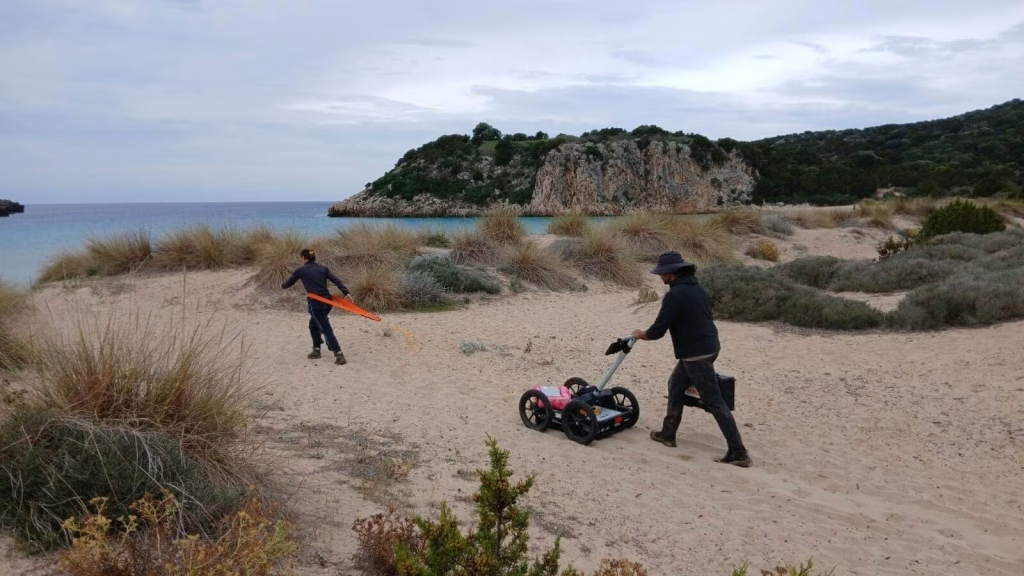
Complementary ground-penetrating radar (GPR) transects were carried out using a 250 MHz antenna to characterize the internal architecture of the dunes along the Voidokilia coastline. These geophysical data provide valuable insight into barrier formation processes and sedimentary organization.
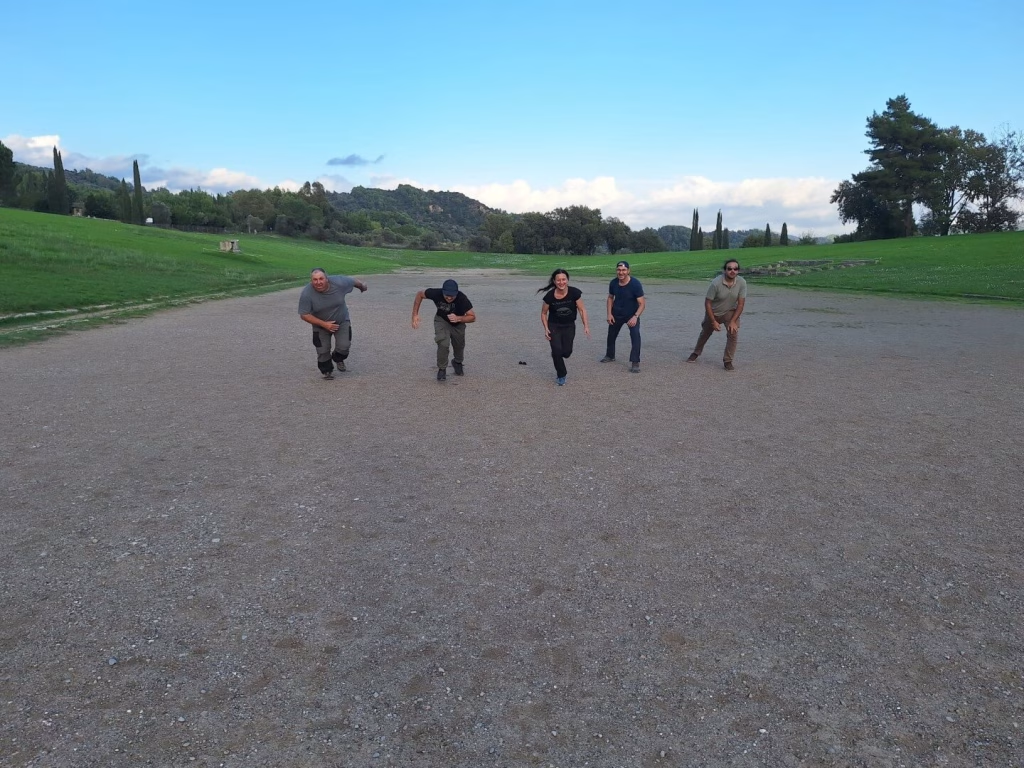
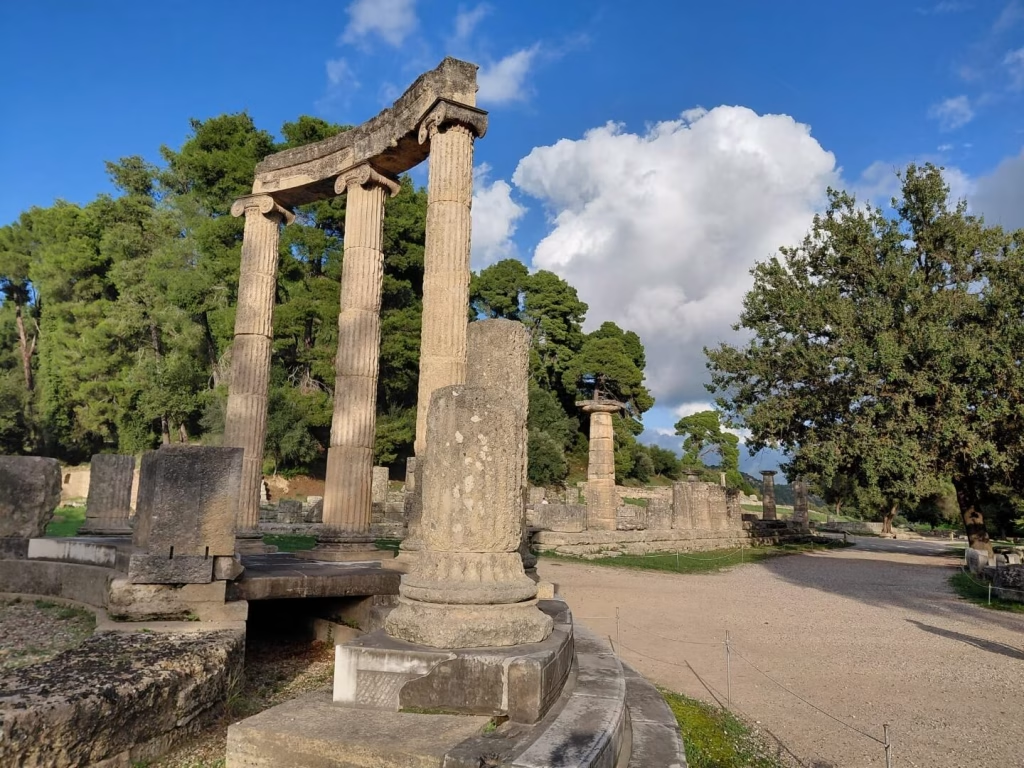
During the same field mission, the team conducted geomorphological observations in the wider Olympia archaeological site area, at the confluence of the Kladeos and Alpheios rivers. The objective was to document present-day morphodynamics of the floodplain and to design a future grid-based coring campaign for paleoenvironmental reconstruction. This future investigation will test the hypothesis of a paleolake existing between approximately 8000 and 1000 cal BP, as proposed in recent literature (Slabon et al., 2025), and will provide additional stratigraphic and chronological validation.
A photo gallery from the field campaign is available below.