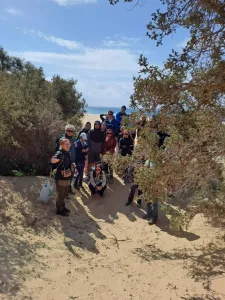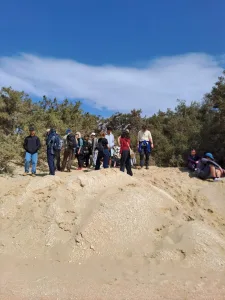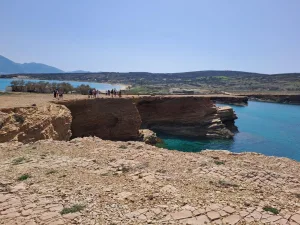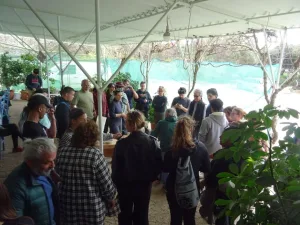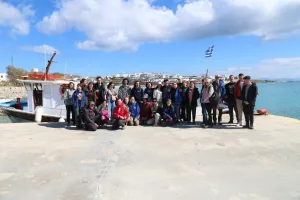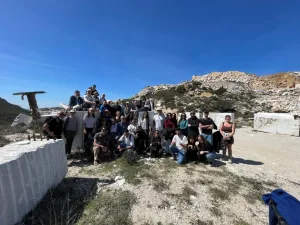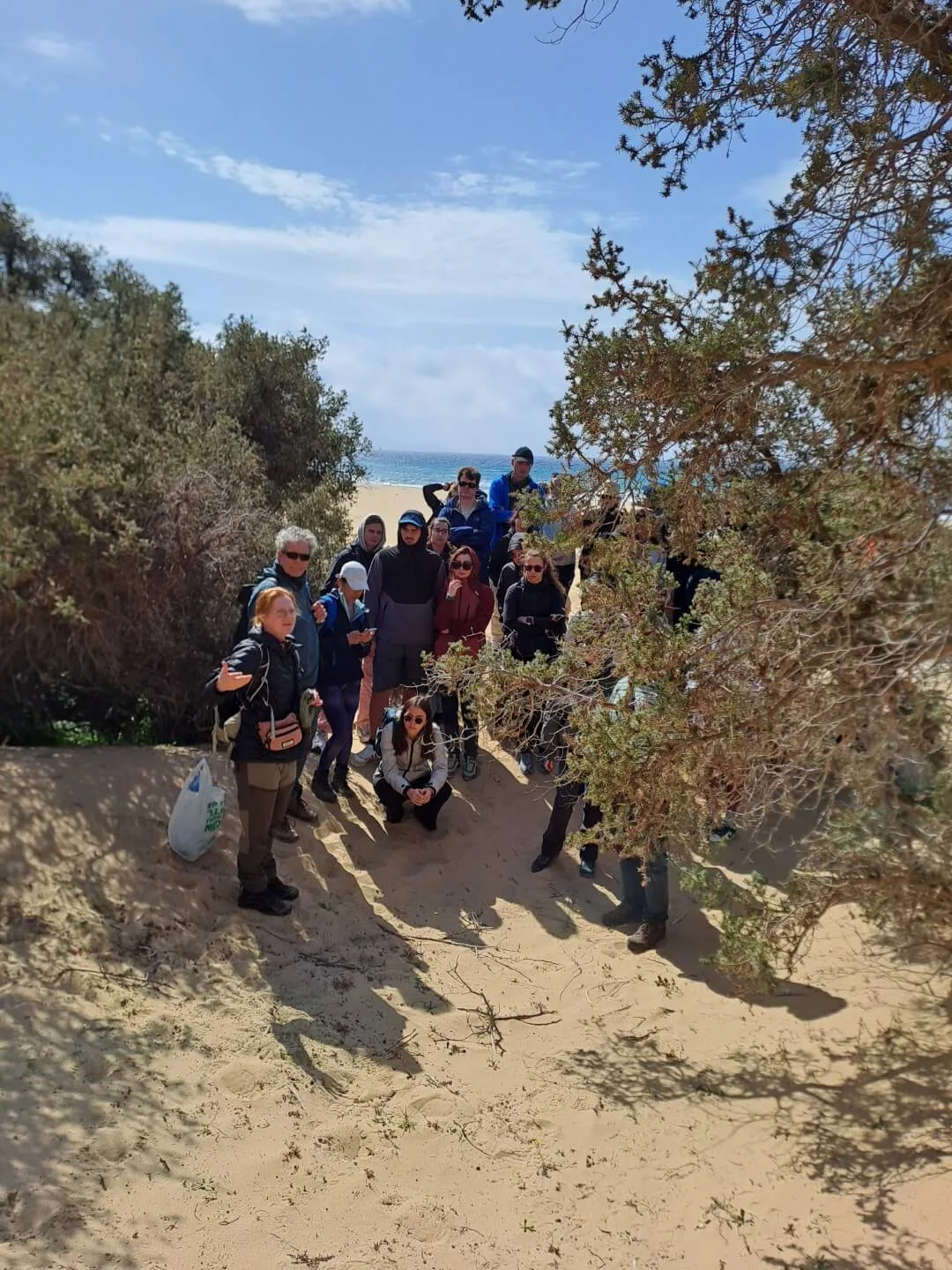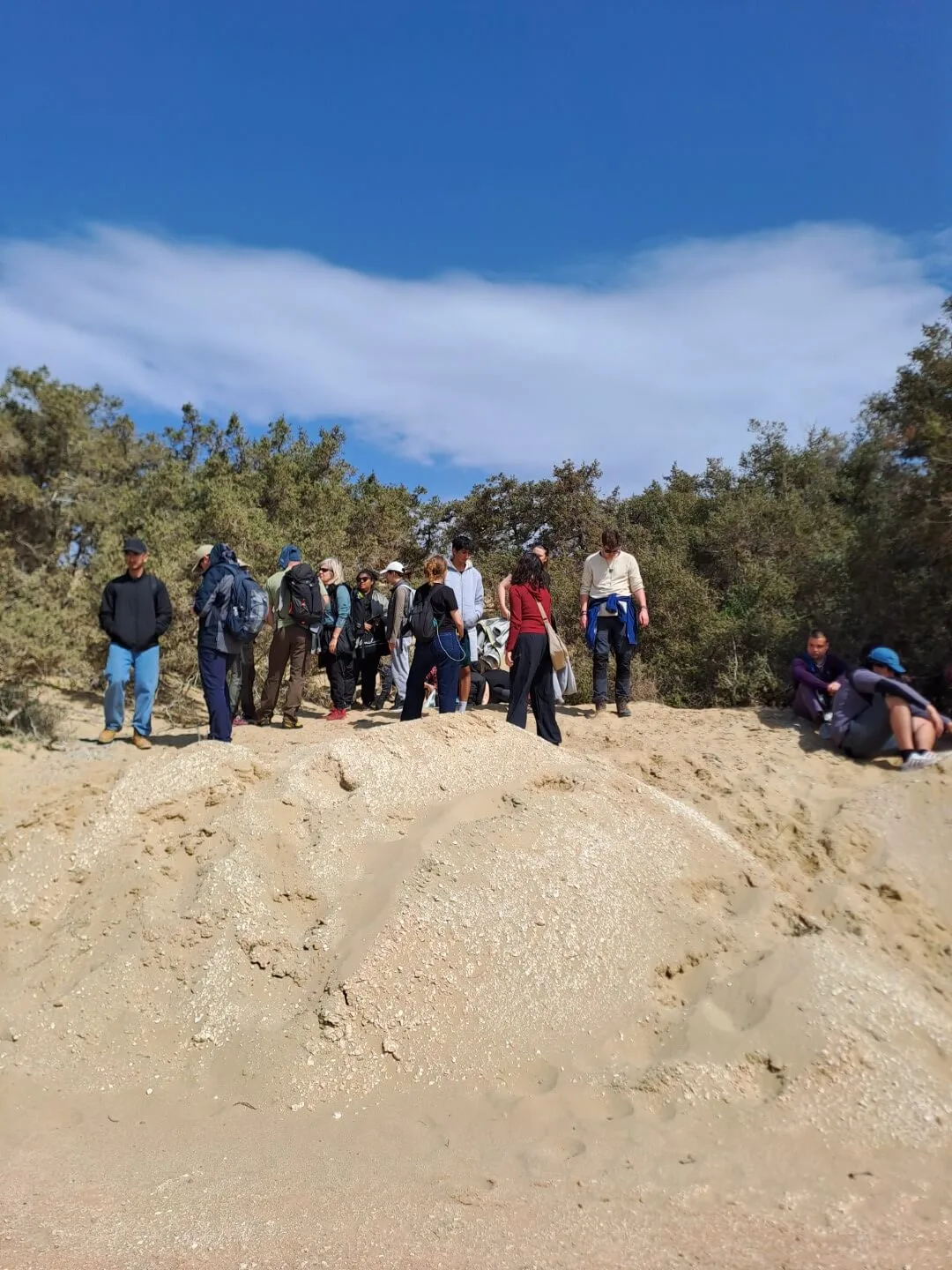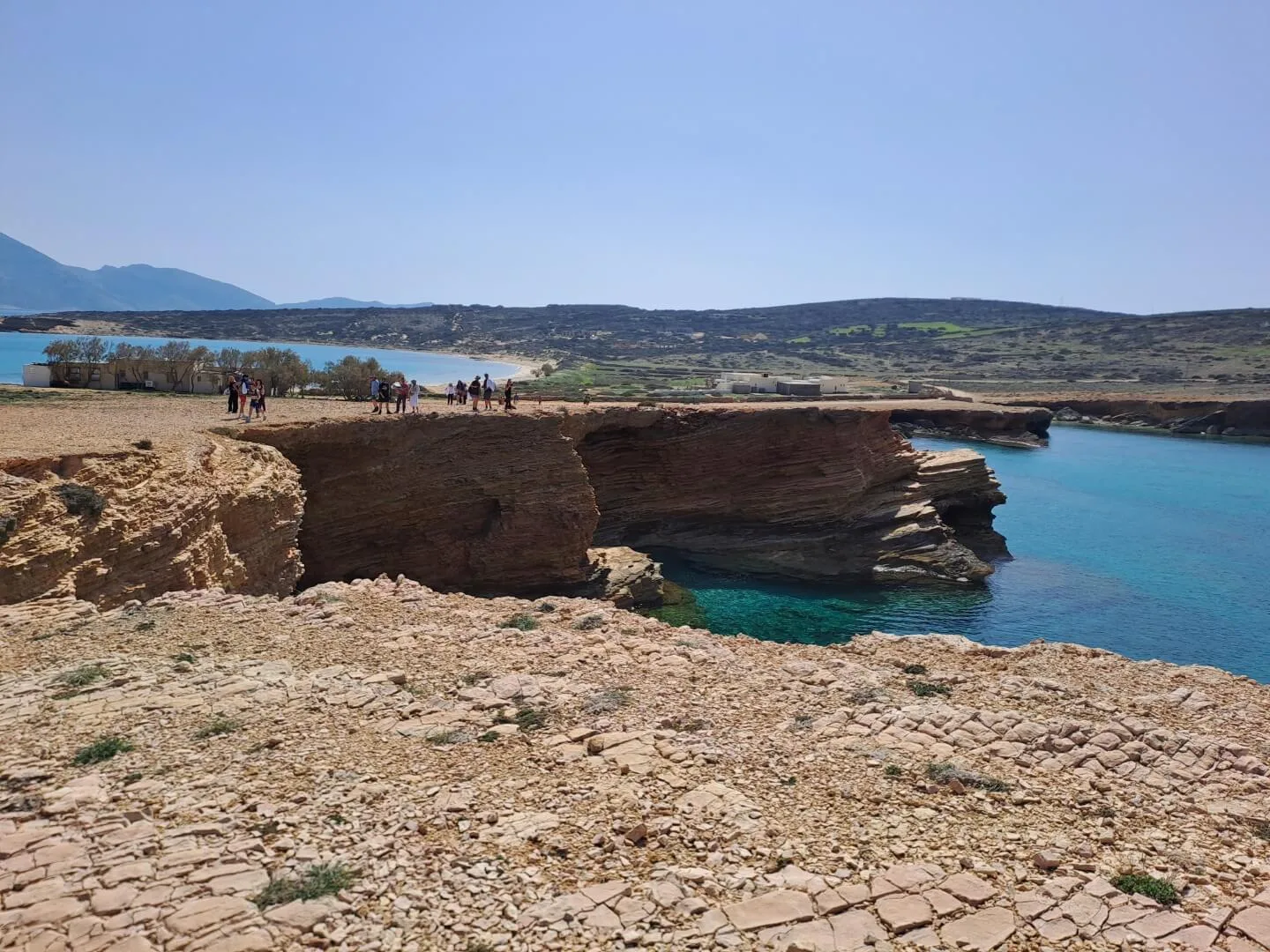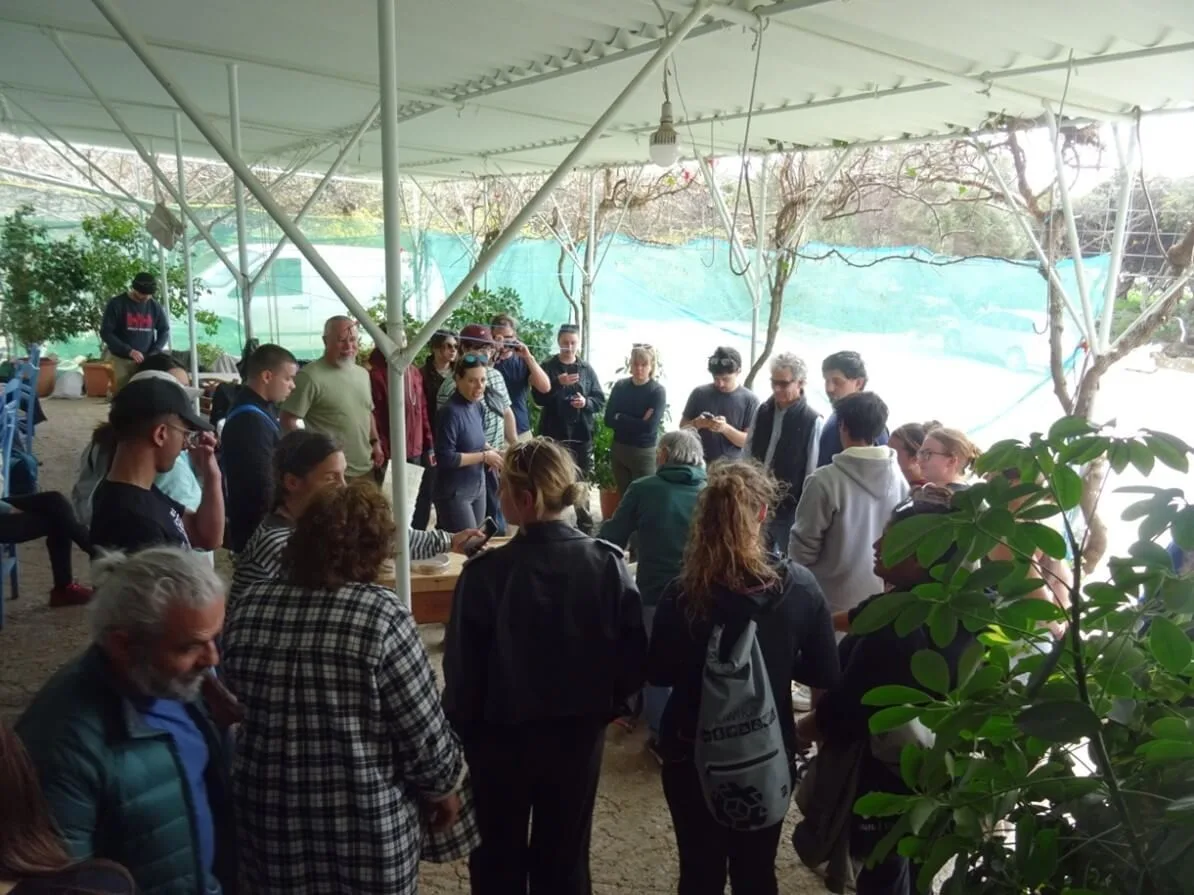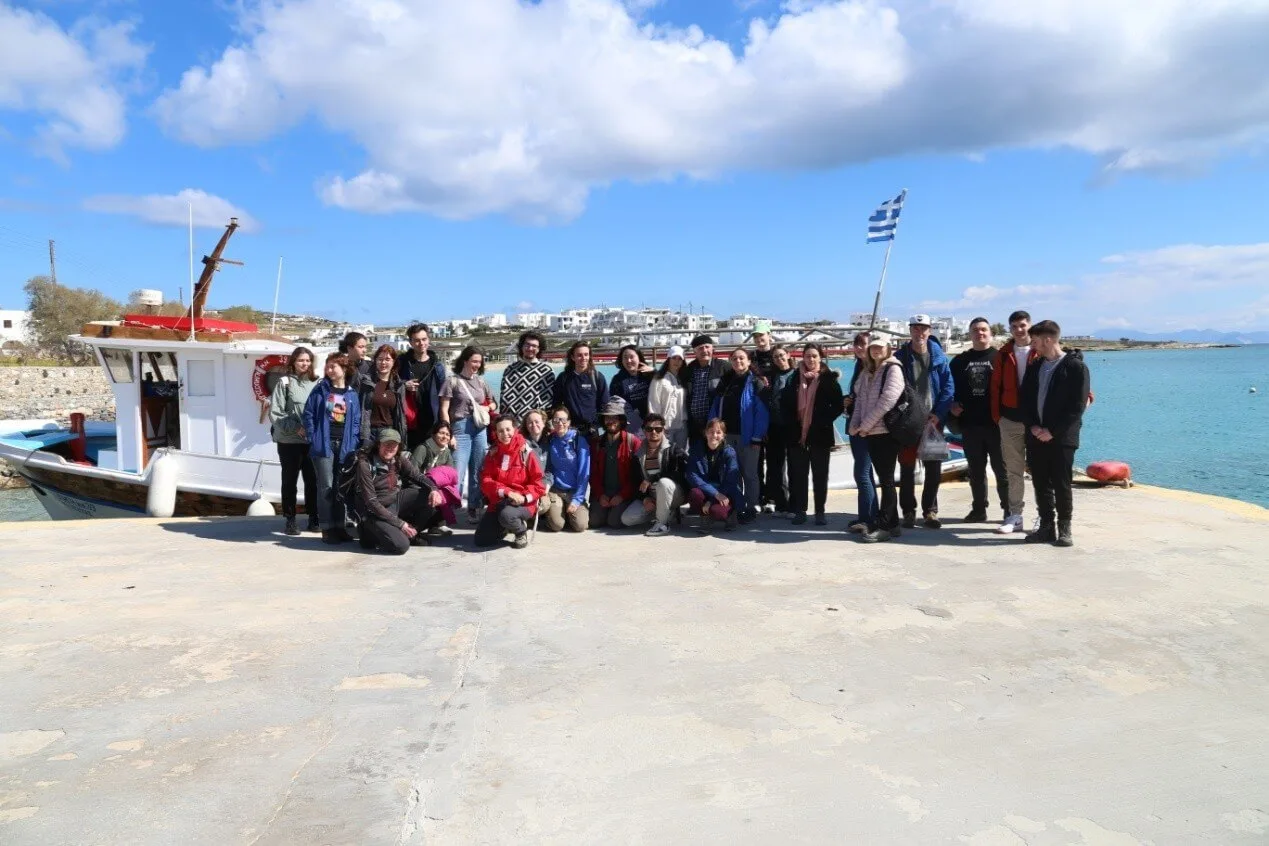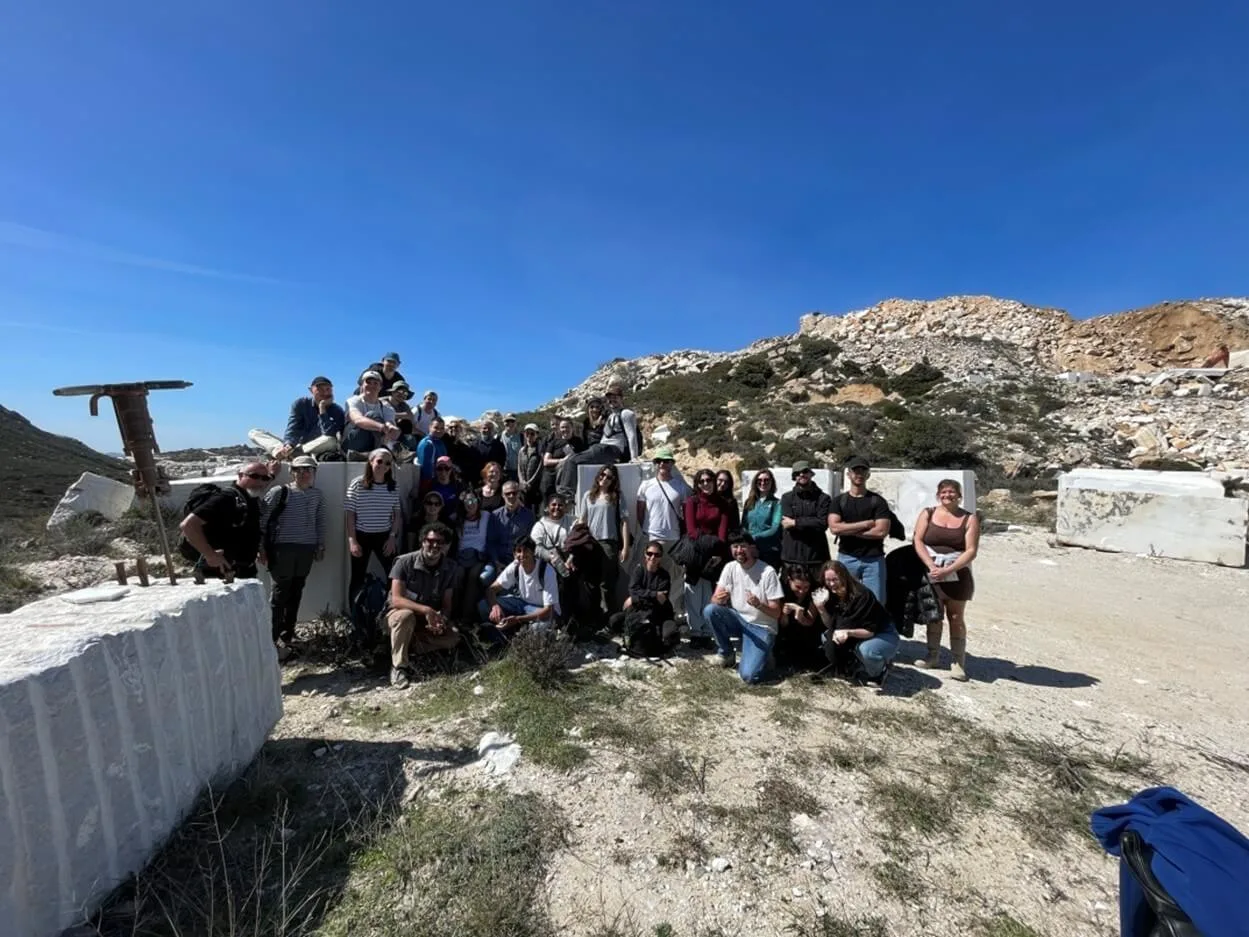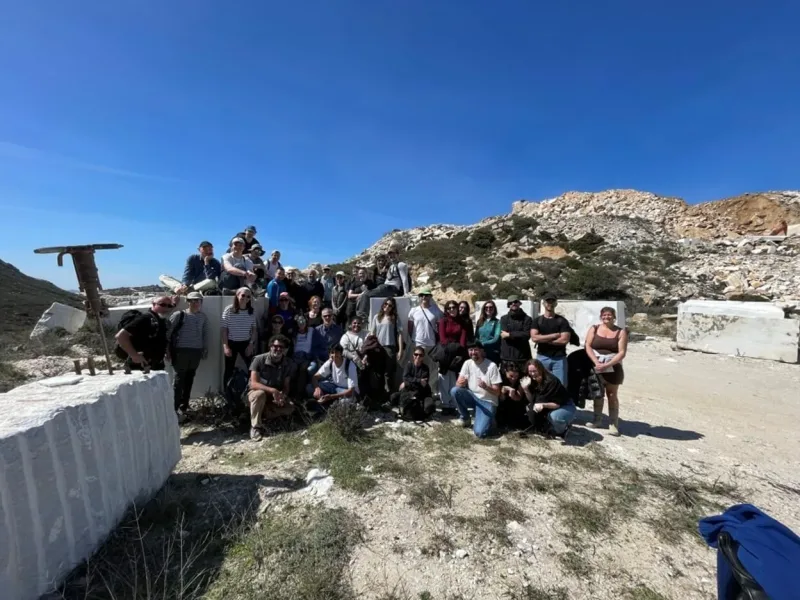
Training the next generation of Earth scientists goes beyond the classroom — it happens directly in the field, where landscapes tell the story of our planet’s past. In March 2025, students from several European universities participated in a hands-on learning experience on Naxos Island, Greece, exploring how past climate variability has shaped this tectonically active landscape.
This immersive activity was part of the Blended Intensive Program (BIP) CIVIS, titled “Climate Change Imprint on a Tectonically Active Landscape”. Guided by expert tutors from National and Kapodistrian University of Athens (NKUA), Aix-Marseille University (AMU), University of Bucharest (UB), and Stockholm University (SU), students gained valuable insights into the interplay between climate change, tectonic activity, and landscape evolution.
Throughout the fieldwork, participants learned how to read the physical evidence left behind by environmental and geological processes — from sedimentary records and coastal formations to tectonic uplift features and erosional landforms. The discussions focused on how long-term climate shifts, combined with active tectonics, have influenced the evolution of Naxos Island and its surroundings.
Beyond technical skills, the program fostered international collaboration and exchange of ideas among students and researchers, contributing to a deeper understanding of how climate change has impacted — and continues to impact — vulnerable landscapes across Europe and beyond.
This field trip is part of the broader TRACE project goals, aimed at enhancing knowledge on climate change impacts and preparing future scientists to tackle the environmental challenges of tomorrow.