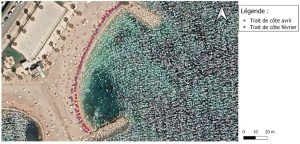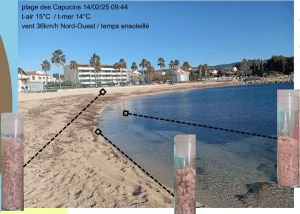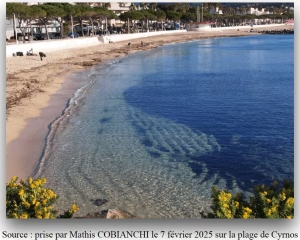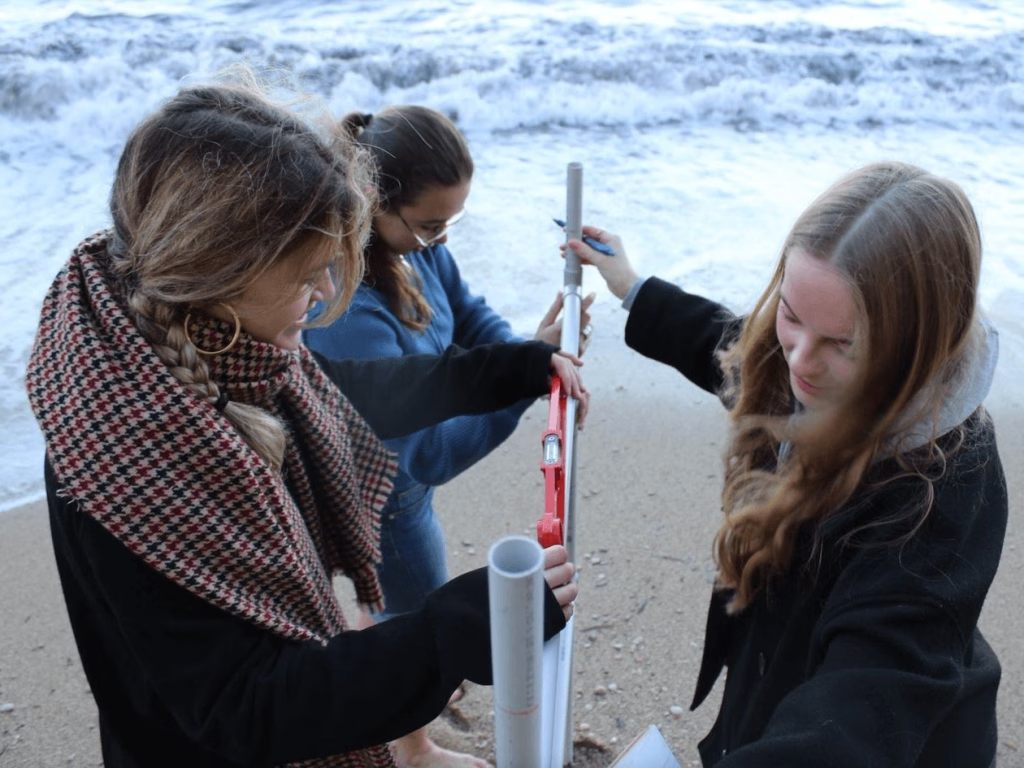
Field investigations carried out in La Ciotat, near Marseille, offered undergraduate students the opportunity to explore the dynamics of artificial beaches within the TRACE Climate project. These urban beaches, confined between rock armouring structures, provide an interesting setting for studying shoreline behaviour and sediment dynamics.
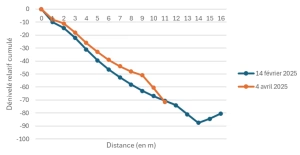
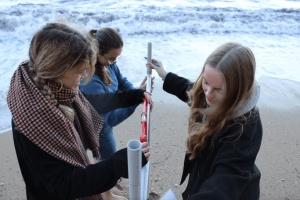
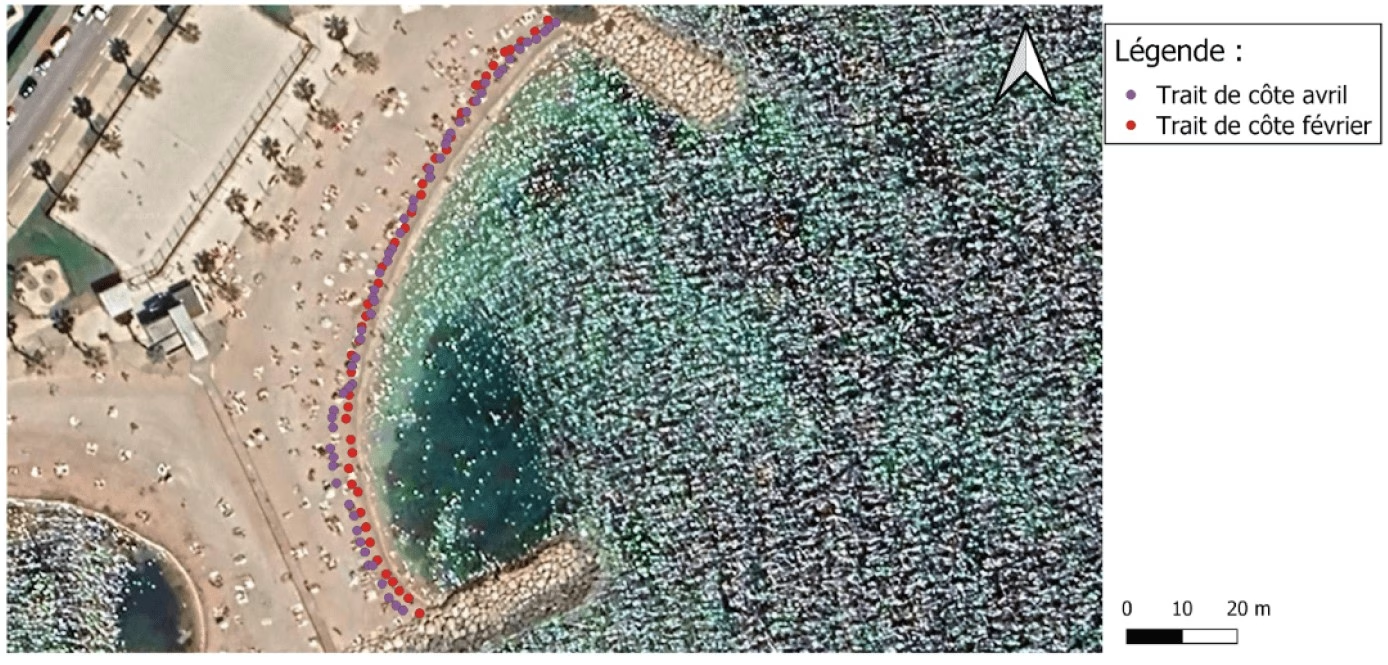
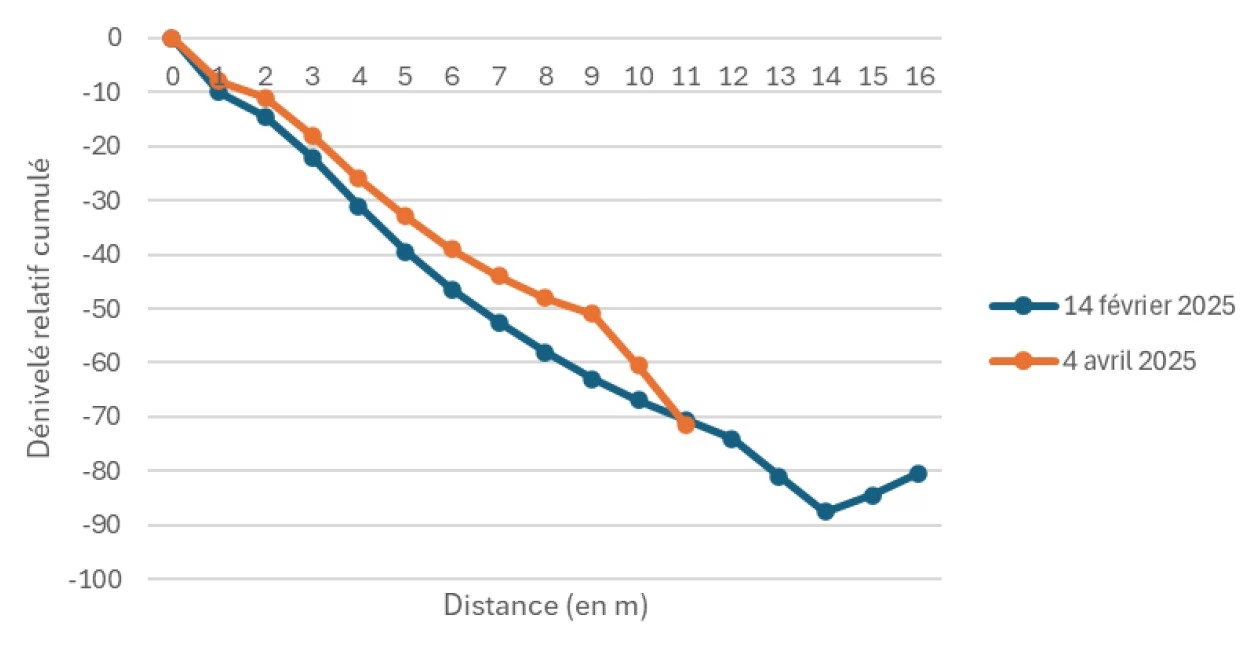
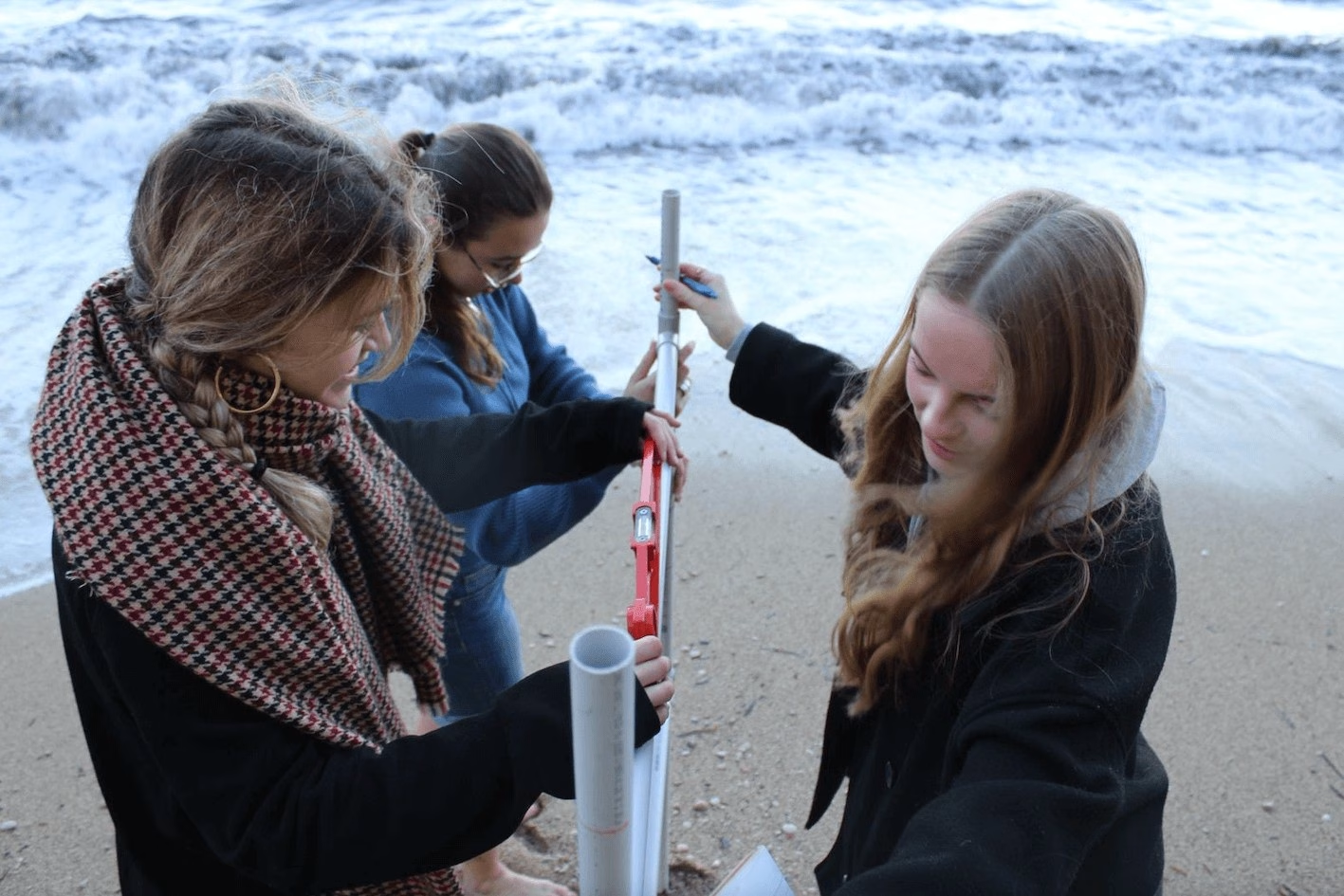
During the field training, students tested the hypothesis that such confined beaches could exhibit shoreline rotation mechanisms similar to those observed on natural pocket beaches. To investigate this, participants conducted topographic surveys using modified Emery rods and levels, as well as DGPS measurements, allowing them to document beach morphology with high precision.
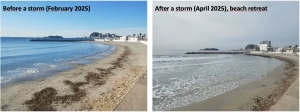
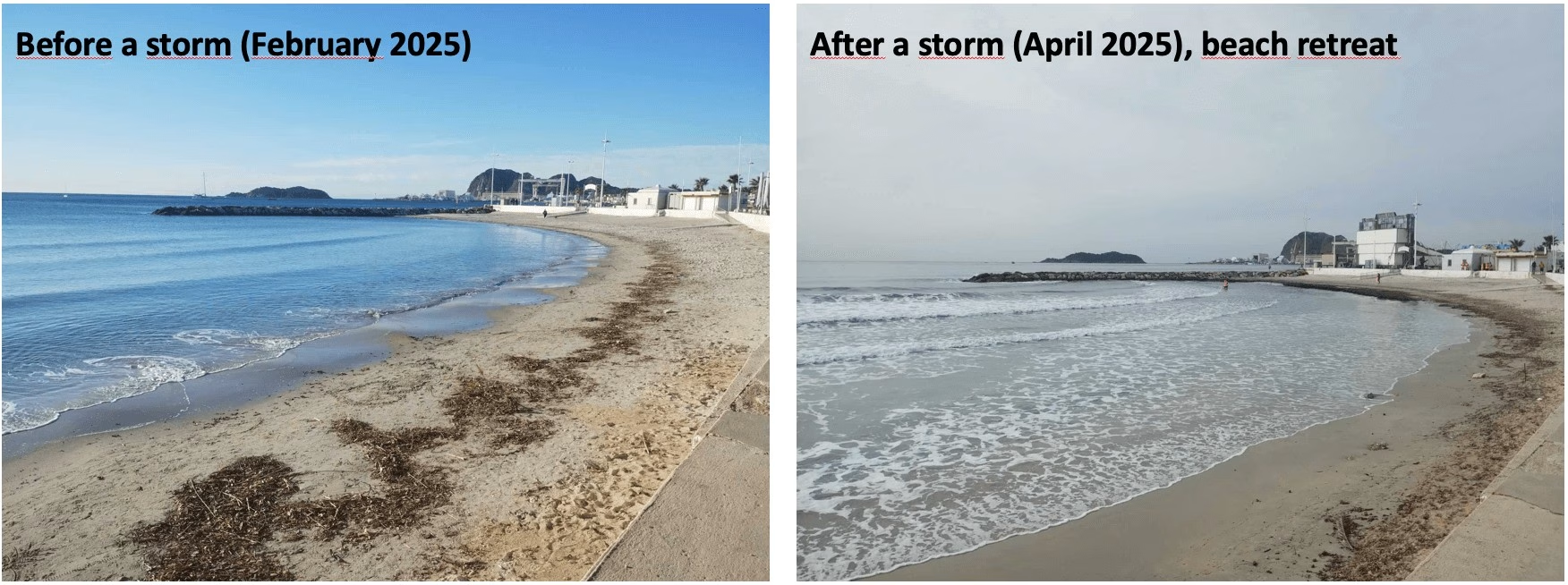
Contrary to initial expectations, the results did not indicate significant seasonal shoreline rotation. Instead, observations revealed a dominant cross-shore dynamic characterized by widespread erosion following storm events. This pattern highlights the strong influence of wave energy and sediment redistribution in artificial coastal systems.
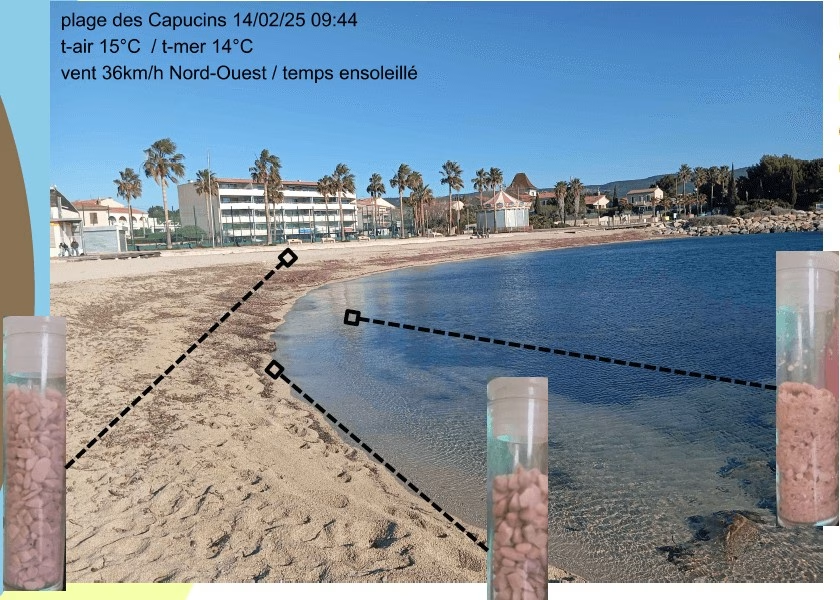
The study also enabled students to examine additional factors affecting beach stability, including grain-size distribution and the impact of beach nourishment operations. Particular attention was given to the protective role of Posidonia seagrass meadows, which contribute to coastal resilience by reducing wave energy and stabilizing sediments.
By combining field measurements with theoretical discussions, the activity allowed students to better understand how human interventions and natural processes shape the evolution of Mediterranean urban beaches.
A photo gallery from the field activities is available below.